Modular Skid-Mounted Systems and Distributed Control Architecture
Jump to section
Traditional industrial facilities typically adopt an integrated design. Equipment is constructed, installed, and integrated on-site in a complex process with a longer commissioning cycle.
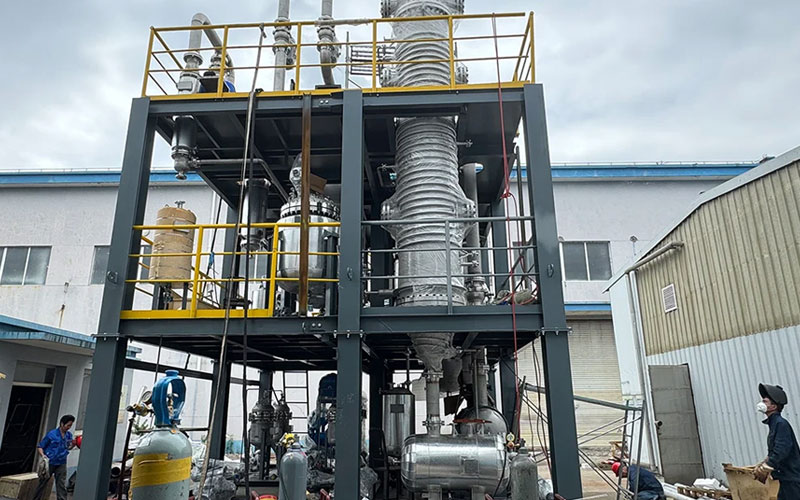
Today, this model is gradually changing. In industries such as chemicals, energy, pharmaceuticals, and LNG, modular skid-mounted systems are becoming one of the mainstream methods for facility construction and expansion.
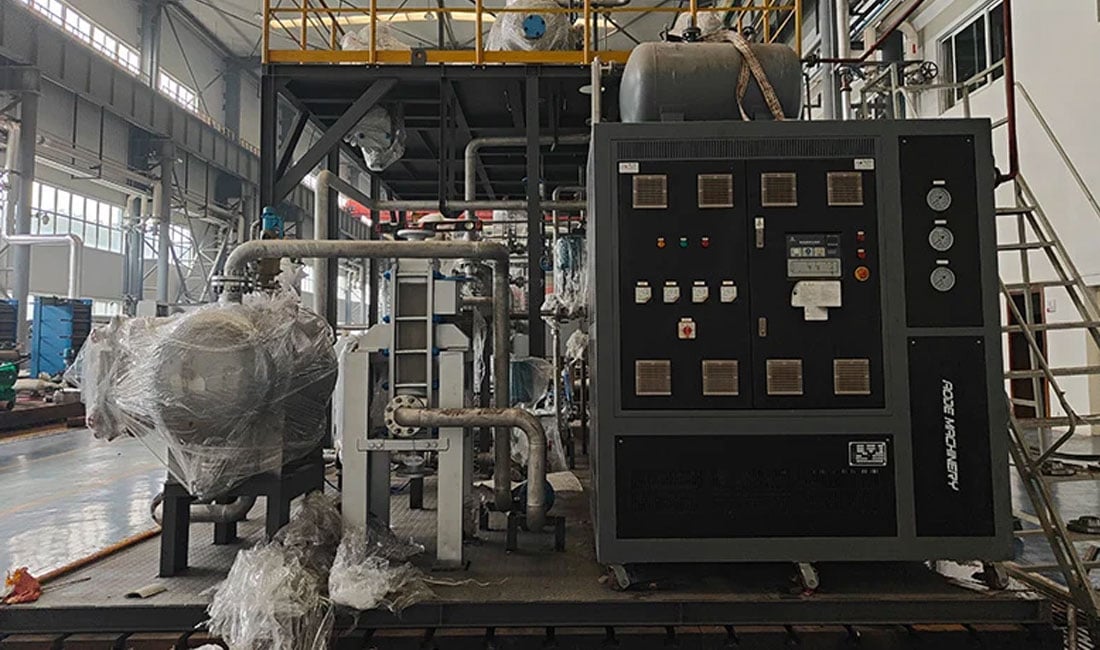
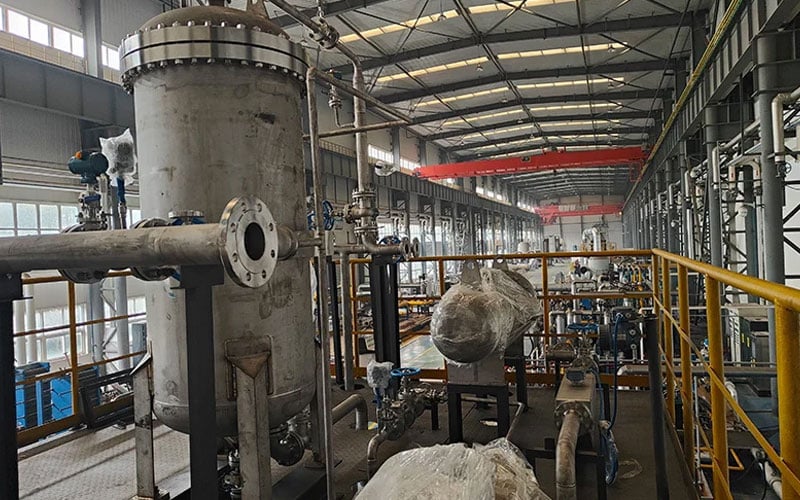
Modular units integrate mechanical equipment, instrumentation, electrical systems, and automation systems into compact prefabricated units, which can be quickly installed and connected to the overall facility architecture.
1. Driving Factors of the Modular Trend
The promotion of skid-mounted systems is mainly driven by the following practical needs:
Shortening the project implementation cycle
Reducing on-site construction workload
Improving overall quality through factory prefabrication
Facilitating transportation and installation
Compared to relying entirely on on-site integration, a significant amount of engineering design and system integration work is transferred to a controlled factory environment, thereby significantly reducing the uncertainty of large industrial projects.
2. The Need for Simultaneous Evolution of Automation Architecture
As the structure of facilities becomes more modular, the automation system architecture also needs to be adjusted accordingly. The traditional control method relying on large centralized control cabinets often cannot meet the needs of distributed skid-mounted systems.
Modular facilities place new demands on the control system:
Good flexibility and scalability
The ability to easily integrate multiple modules
Stable operation in complex industrial environments
In this context, the advantages of a distributed control architecture are becoming increasingly apparent.
3. Control Methods for Distributed Facilities
In a distributed control system, automation components are placed closer to the controlled equipment. Remote I/O stations, local control panels, and field interfaces can complete data processing near the signal source.
This architecture has significant advantages in modular facilities:
Reducing the complexity of cable routing
Accelerating the debugging progress when new skid-mounted units are connected
Facilitating the expansion and modification of existing facilities
Aiding in fault localization
No need to transmit all signals back to a central control point, each module can be connected to the overall system as a functional unit and operate in coordination.
4. Additional Requirements for Hazardous Areas
Many skid-mounted systems are applied in hazardous environments, such as chemical plants or energy facilities. In these scenarios, automation equipment not only needs to meet the flexibility of system integration but must also comply with strict explosion-proof requirements.
Therefore, electrical enclosures, certified automation equipment, and reliable field interfaces become key elements in system design.
5. Engineering Design for System Integration
The core value of modular skid-mounted systems lies in their seamless integration into the overall facility. This requires full collaboration between mechanical, electrical, and automation professionals.
The automation system needs to support:
Stable and consistent communication mechanisms between modules
Reliable signal transmission
Predictable behavior during start-up and shutdown processes
In the absence of unified design, modular systems are prone to forming fragmented structures, which can reduce overall flexibility.
The Key Role of Automation Infrastructure
The successful application of modular industrial systems largely depends on the reliability of their underlying automation infrastructure.
Companies with extensive experience in hazardous area automation, such as Ekaislot, support the stable operation of modular facilities in harsh industrial environments by providing distributed control solutions, reliable electrical enclosures, and system products for the field level.
The Transition from “Engineering Project” to “System Construction”
The widespread adoption of modular skid-mounted systems reflects a shift in industrial engineering concepts: facilities are no longer viewed solely as large construction projects but as systems composed of multiple interconnected units.
By combining modular equipment with a distributed control architecture, faster deployment, easier scalability, and better adaptation to the ever-changing needs of modern industry can be achieved.
Want to Know More About Our Products?
View All Products Now English
  Spanish
  Russian