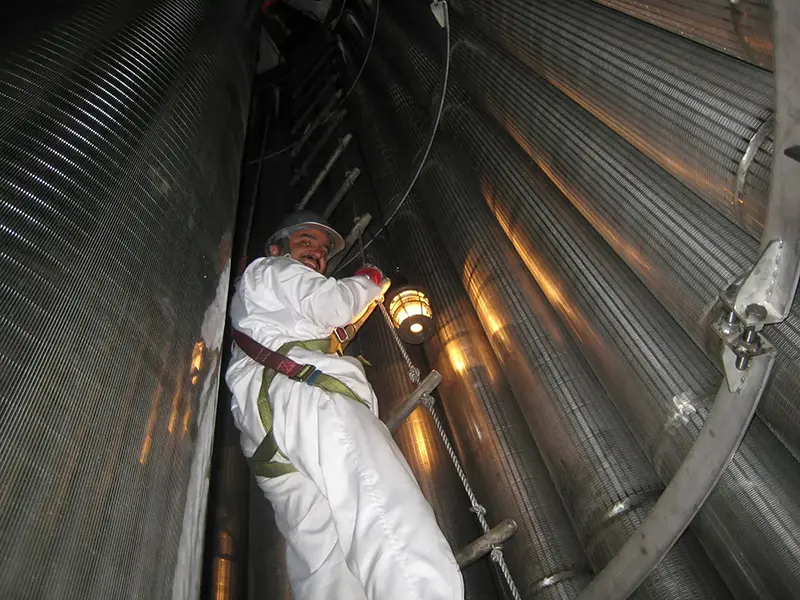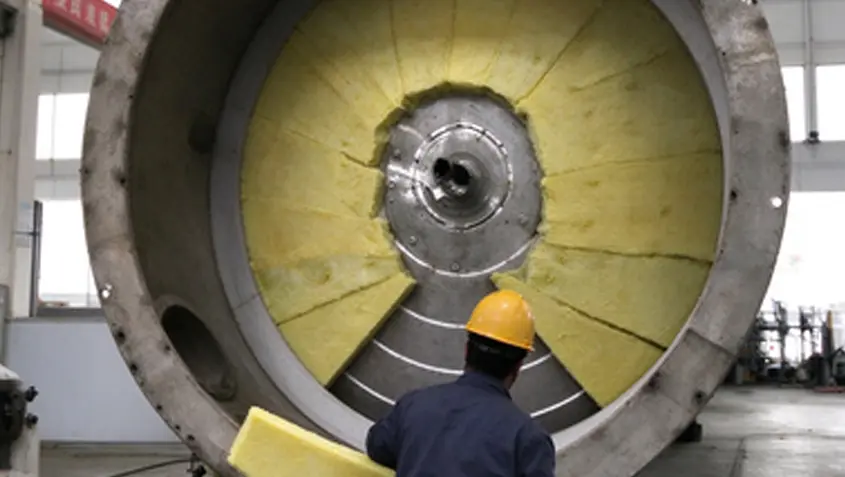
Insulation
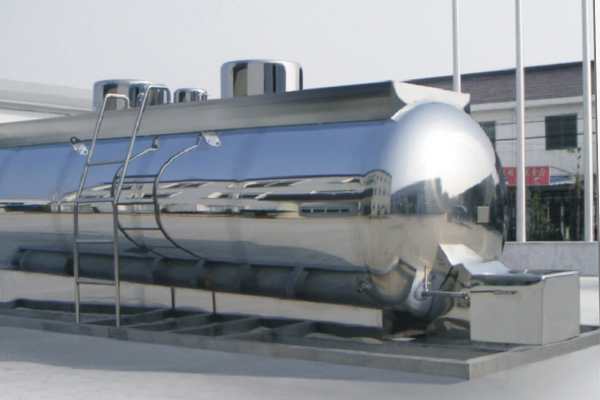
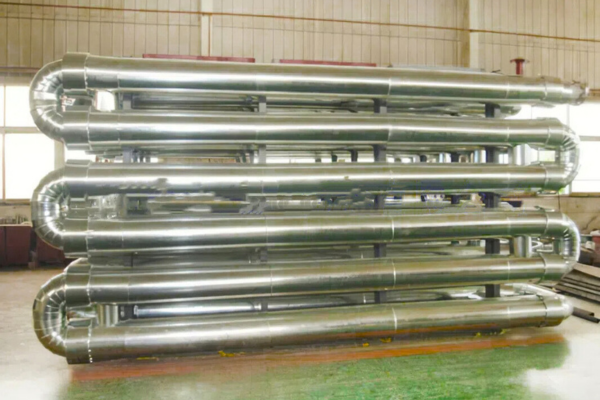
As one of the core applications of thermal insulation devices, it focuses on reducing heat exchange between the container and the external environment, maintaining stable internal medium temperature, and reducing energy consumption.
Insulation Structure
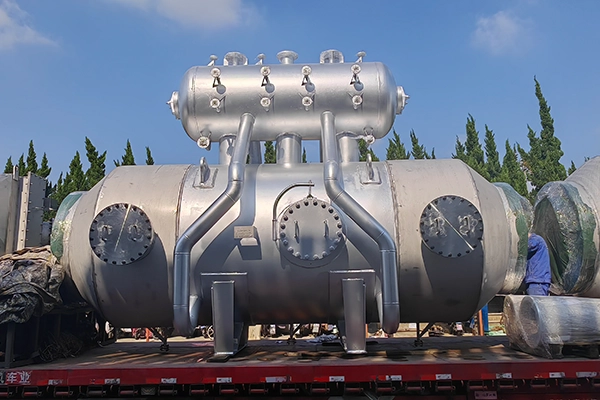
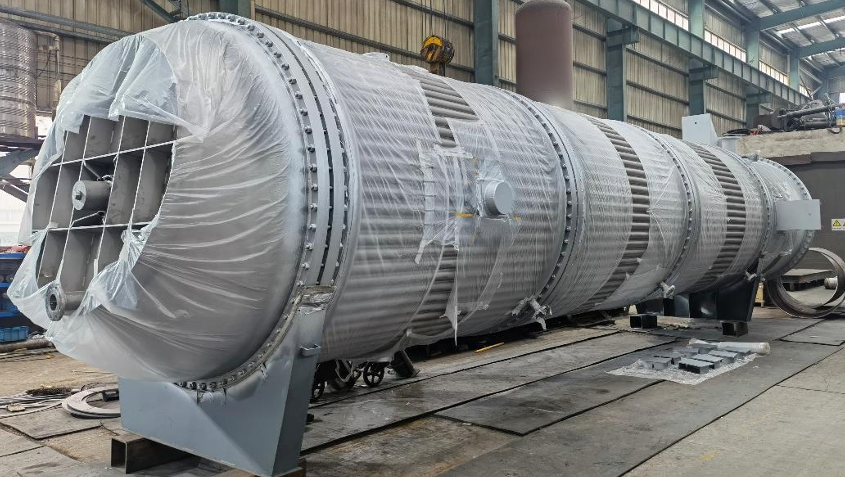
Usually a composite structure of “insulation layer + protective layer.” The insulation layer commonly uses materials with low thermal conductivity such as rock wool, aluminum silicate fiber, and polyurethane foam; the protective layer is mostly color-coated steel plate, aluminum sheet, or fiberglass, serving to waterproof, corrosion-proof, and protect the insulation layer, with moisture-proof layers (such as polyethylene film) added in some scenarios.
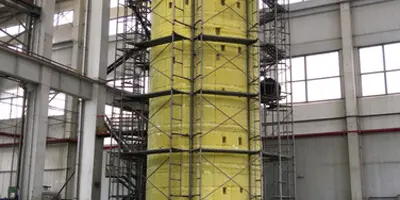


Design Essentials:
The selection of insulation materials should consider the working temperature, medium characteristics, and usage environment of the pressure vessel. High-temperature vessels prioritize insulating materials that can withstand high temperatures, while low-temperature vessels need to balance insulation and anti-condensation requirements. The thickness of the insulation layer must be determined through thermal calculations to avoid excessive heat loss due to insufficient thickness or increased equipment weight due to excessive thickness.
Applications Scenarios:
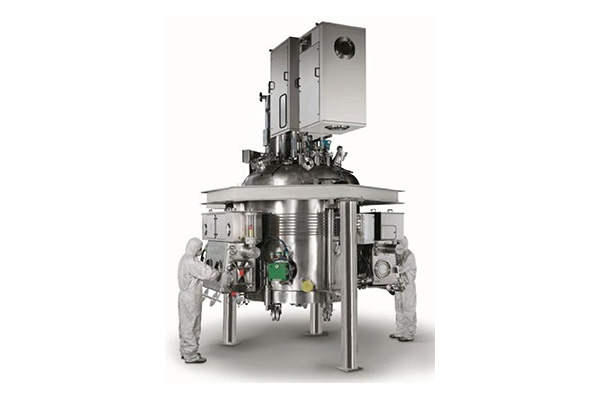
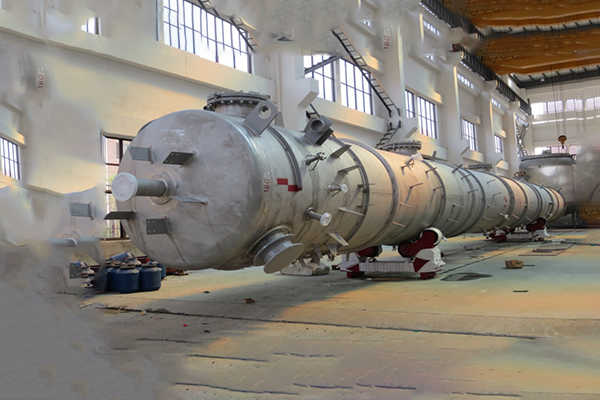
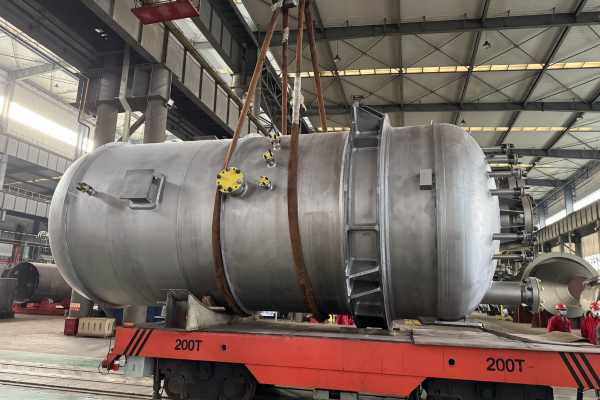
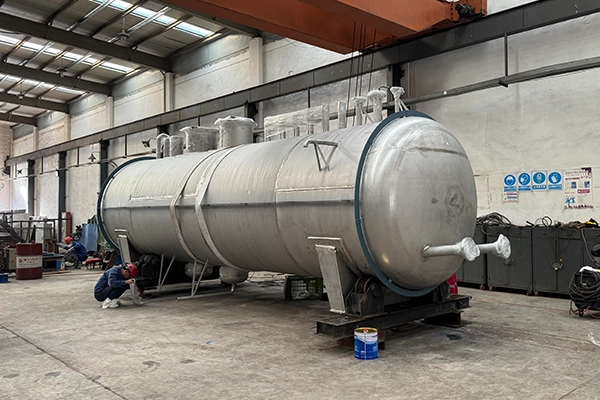
Widely used in equipment such as steam storage tanks, reaction kettles, and conveying pipelines. For example, in chemical production, the insulation of high-temperature reaction kettles can maintain stable reaction temperatures inside the kettle and reduce energy consumption of the heating system; the insulation structure of low-temperature liquid nitrogen storage tanks can also prevent external heat from entering, causing the medium to vaporize.
Faq
{acf_faq_list_faq-txt}
We support you 24/7
Our expertise is here to serve you
We take every question and need of yours seriously. Feel free to contact us!
Over 20 years of experience in welding special alloys
100% RT&full material traceability
Integrated delivery from simulation to FAT
 English
 Spanish
 Russian