Viscosity Reduction Solution for Heavy Oil in Petrochemical Enterprises
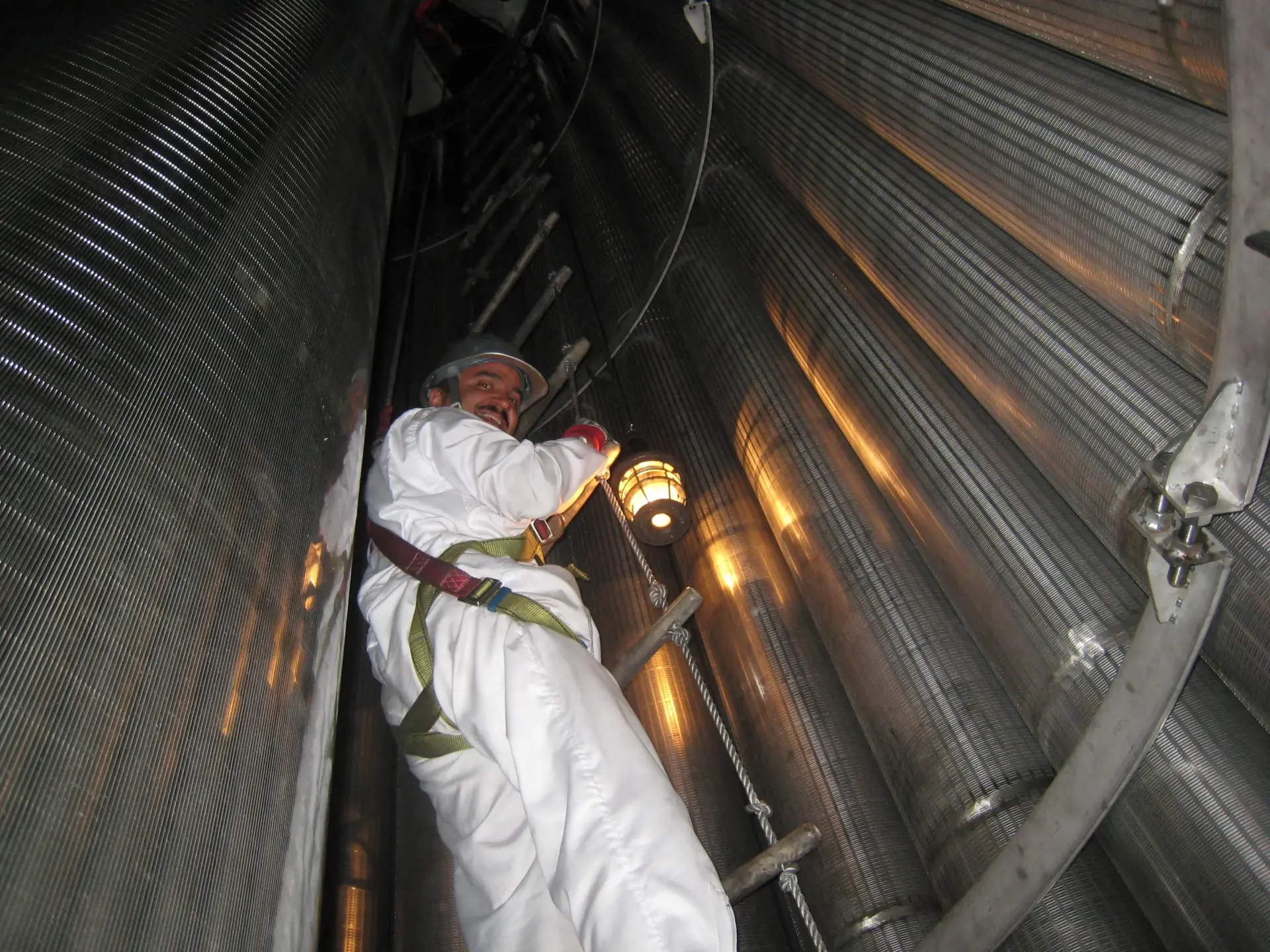
We design and fabricate reactor and column internals, including liquid and vapor
Problem to Solve: A TCM factory needed to perform concentration and alcohol removal treatment on the ethanol extracts of medicinal materials such as Salvia miltiorrhiza, Panax notoginseng, and Borneol during the production of Compound Danshen Dripping Pills. The traditional multi-effect evaporator process had obvious drawbacks: long concentration time, serious loss of heat-sensitive active components in medicinal materials, and easy scaling of equipment. These problems not only reduced production efficiency but also affected the efficacy and quality stability of TCM products, and increased the workload of equipment cleaning and environmental protection treatment.
Solution Implementation: To realize efficient, gentle, and clean concentration and alcohol removal, the factory adopted a scraped surface evaporator and built an efficient concentration and alcohol removal system. The system configuration included a scraped surface evaporator (with a heat transfer area of 8m²), a preheater, a plate condenser, an alcohol recovery tower, and a vacuum system. Targeted optimization of process parameters was carried out according to the characteristics of TCM extracts: feed temperature was controlled at 50–60℃, vacuum degree at 5–10 mmHg, scraper speed at 150–200 rpm, and heating medium temperature at 65–75℃. The scraped surface evaporator’s rapid film formation and low-temperature evaporation characteristics effectively avoided the damage of heat-sensitive components and the scaling of equipment.
Solution Effect & Process Comparison: The application of the solution achieved remarkable results: the ethanol recovery rate reached 98.5%, the retention rate of Tanshinone ⅡA (a key active component in Salvia miltiorrhiza) exceeded 95%, and the retention rate of Notoginsenoside Rg1 (a key active component in Panax notoginseng) exceeded 96%, which maximally retained the medicinal efficacy of TCM extracts.
Compared with the traditional multi-effect evaporator process, the solution had obvious advantages in all aspects: the concentration time was shortened from 4–6 hours to 1–1.5 hours, and the production efficiency was increased by 200–300%; the retention rate of heat-sensitive components was increased by 15–20 percentage points, significantly improving the quality of TCM products; the equipment cleaning cycle was extended from once per shift to once every 3 days, reducing cleaning workload and the discharge of cleaning wastewater, realizing cleaner production. In addition, the annual steam consumption was reduced by about 3000 tons, saving about 1.2 million yuan in production costs annually.

Related Solution
Explore industry-proven solutions tailored to your conditions, delivering reliable performance and lasting value.